Brake & Clutch in Swansea
Awarded Best Mechanical & Automotive Services in 2009, 2011, 2019, 2020, 2022, 2023 & 2025.
Trusted Servicing for Everyday Drivers
Drivers from Swansea choose our team for brake and clutch servicing because safety, accuracy and clear advice make a real difference to how a vehicle performs on the road.
- Experienced automotive technicians – our mechanics diagnose brake and clutch issues thoroughly, focusing on restoring safe stopping power and smooth gear changes rather than applying short-term fixes.
- Detailed inspection process – we assess braking and clutch components under conditions that reflect real driving, including load, heat and wear patterns that affect performance over time.
- Clear, practical explanations – our team explains identified issues and recommended repairs in straightforward language, helping drivers understand how faults impact safety and drivability.
- Quality replacement components – we select reliable parts to support consistent braking response, proper clutch engagement and long-term durability.
- All work completed in-house – our mechanics carry out inspections, repairs and final checks under one roof, allowing our team to maintain consistent standards and quality control.
- Transparent pricing – costs are discussed before work begins, giving drivers clarity and confidence with no unexpected surprises.
Professional Brake & Clutch Servicing
Need servicing for your brake and clutch in Swansea? Nova Auto Innovations supports local drivers by inspecting and repairing braking and clutch systems at our Charlestown workshop. Many vehicle owners from Swansea book brake and clutch servicing after noticing warning signs such as squealing brakes, reduced stopping power, clutch slipping or difficulty changing gears. These issues often develop gradually and can affect both safety and drivability if left unchecked.
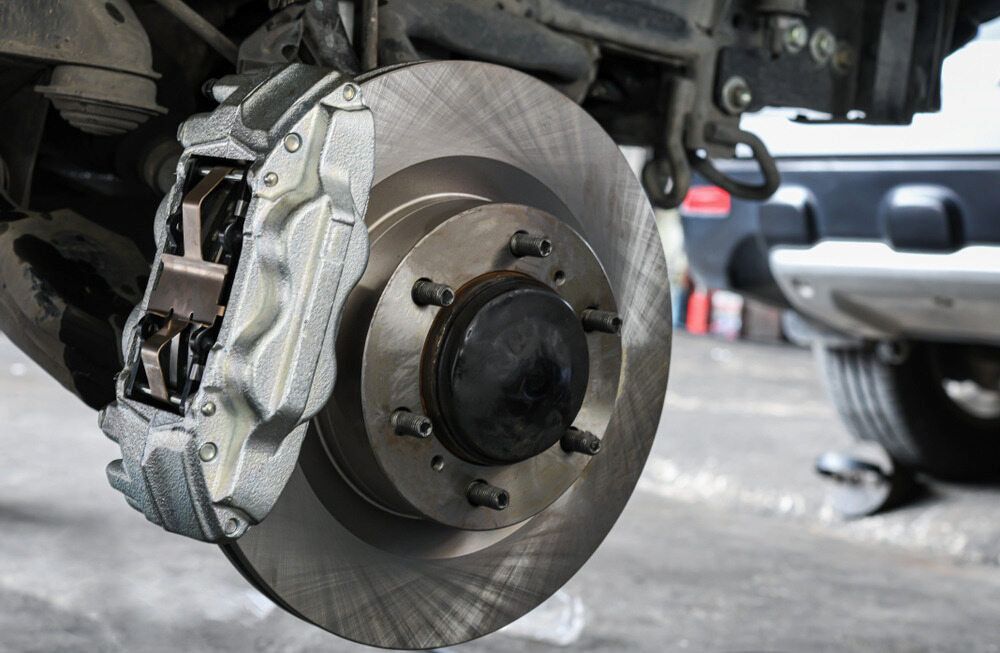
Our mechanics inspect brake pads, discs, calipers and brake fluid, along with clutch components including pressure plates and friction assemblies, to identify wear affecting performance. We assess braking response, pedal feel and gear engagement under real driving conditions rather than relying on surface checks alone. Using this detailed approach, we can address underlying issues early, helping prevent further damage and unexpected repairs. Clear explanations help drivers understand what repairs are required and why.
To book professional brake and clutch servicing, phone us on (02) 4920 8880.
Award-Winning Service
RMS-Authorised Mechanics
Advanced Diagnostics
Get In Touch in Swansea
Have a question or want to book a service? Send us a message and our team will get back to you as soon as possible!
Contact Us
Thank you for contacting Nova Auto Innovations.
We will get back to you as soon as possible.
Oops, there was an error sending your message.
Please try again later.
Frequently Asked Questions
How do I know if my brakes need servicing?
Brakes often show warning signs before they fail completely. Common indicators include squealing or grinding noises, reduced stopping power, vibration through the brake pedal or a spongy feel when braking. A vehicle may also pull to one side or take longer to stop than usual. Dashboard warning lights can appear in some vehicles. Because braking components wear gradually, issues may worsen over time if ignored. Regular inspections help identify wear early and maintain safe braking performance.
What are the signs of clutch problems?
Common clutch problems include slipping gears, difficulty changing gears, a burning smell or a clutch pedal that feels unusually stiff or soft. Some drivers notice shuddering when taking off or delayed acceleration despite increased engine revs. These symptoms often develop gradually and may worsen under load or during hill starts. Because the clutch connects engine power to the wheels, faults can affect drivability and safety. Early diagnosis helps avoid complete clutch failure.
How often should brakes be serviced?
Brake servicing intervals vary depending on driving habits, vehicle type and road conditions. Many vehicles require brake inspections every 10,000 to 15,000 kilometres, with pad replacement often needed between 30,000 and 70,000 kilometres. Frequent stop-start driving, towing or hilly terrain can increase wear. Because brake components wear at different rates, regular inspections are more reliable than fixed replacement schedules. Monitoring brake performance helps prevent sudden failures.



